
Curiosity Sparks Growth: Many Ways to Learn in Financial Planning Firms

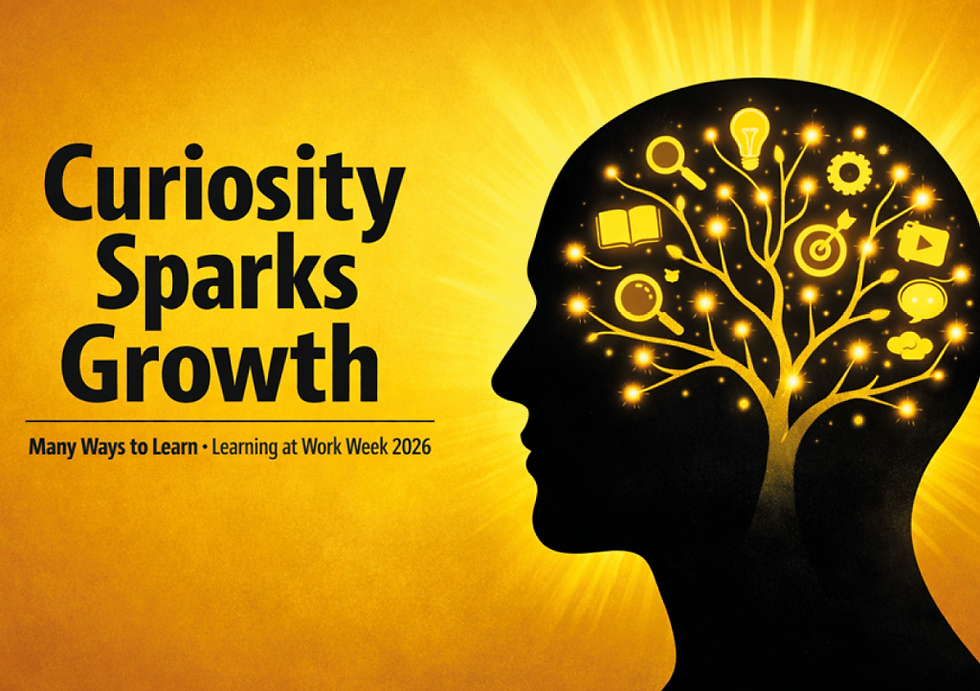
If you think Curiosity is a personal trait, think again. In the modern world of work, Curiosity is being recognised as a growth engine for teams and organisations. By fostering curiosity, employees unlock new ideas, solve problems faster, and adapt more effectively.
Recent global research reinforces the growing importance of curiosity in the workplace. The World Economic Forum’s Future of Jobs Report identifies curiosity and lifelong learning among the most critical skills required in an AI-driven economy, while Microsoft and LinkedIn’s 2024 Work Trend Index found that three-quarters of knowledge workers are already experimenting with generative AI. The differentiator is no longer access to technology, but the willingness to explore, learn, and adapt. For financial planning firms, curiosity is becoming a practical business advantage rather than a personal trait.
What does this mean for small to medium sized firms?
The reality in smaller firms (local, regional, national) is that growth rarely comes from grand strategy alone. More often, it begins with someone in the team asking a simple question at the right moment: Is there a better way to do this? Whether that’s enhancing the client experience, refining processes, or developing future talent, curiosity sits at the heart of progress.
If Curiosity is the key that opens the door, Learning is what allows us to walk through it. Embracing a state of curiosity is what primes us and makes us receptive to learning.
So, what better way to play with curiosity and learning in your business than through Learning at Work Week which is taking place between Monday 18th and Sunday 24th May 2026. Learning at Work week is an annual campaign that celebrates lifelong learning and promotes a culture of continuous development within the workplace.
www.learningatworkweek.com hosts a range of resources, ideas and examples of activities and experiences you can engage in with your teams, to bring learning alive.
This years’ theme is ‘Many Ways to Learn’ and it offers a timely reminder that learning often happens outside of formal training sessions through every day curiosity, conversations, and a willingness to explore new possibilities.
Why Curiosity Matters in Financial Planning
Financial planning is a profession built on expertise and trust. Yet the environment surrounding advice is evolving at pace. Through AI, clients have instant access to information which may not be accurate or appropriate for them. New technologies, platforms and applications are reshaping operational processes. Technical knowledge alone is not enough. Firms that thrive are those that listen, ask questions and keep learning.
Curiosity is the ingredient that enables teams to elevate above operational compliance into continual improvement. It encourages planners to ask deeper questions of clients and leaders to reflect on how their business can adapt for the future.

For financial planning firms, curiosity drives both professional excellence and commercial resilience.
Curiosity Strengthens Client Relationships
At its core, financial planning is a human profession. Quality of advice depends on so much more than technical proficiency. Curious Planners approach the client conversation differently. They explore motivations, fears, family dynamics, and long-term aspirations. They listen for what isn’t said as well as what is heard. Questions like ‘What does financial security really mean to you?’ can unlock insights that transform the advice relationship.
Curiosity also supports better outcomes internally. Teams that feel able to ask questions are more likely to clarify information early, reducing rework between Planners, paraplanners, and administration teams. Small improvements in understanding can significantly enhance client experience and operational efficiency.
Operational Curiosity: Improving How Work Gets Done
In operational teams, processes evolve organically over time. What worked well five years ago may now create friction, duplication, or delays.
Operational curiosity shifts the question from:
Are we following the process? To Is this still the right process?
Examples of curiosity in action might include:
Reviewing the onboarding journey from a client’s perspective.
Exploring why certain cases take longer to complete.
Inviting team members to suggest one small improvement each month.
These changes rarely require large transformation programmes. Instead, they emerge from teams feeling empowered to notice, question, and improve everyday practices.

Many Ways to Learn in Smaller Firms
One of the advantages small businesses can possess is proximity. Teams work closely together, decisions can be made quickly, and learning often happens informally.
Learning may look like:
A conversation after a client meeting.
A shared insight between paraplanner and planner.
A discussion about how technology could simplify administration.
Reflecting as a team on what worked well, and what could improve.

Learning can be simple AND powerful. The theme of Learning at Work Week 2026 — “Many Ways to Learn” recognises that growth happens through experimentation, collaboration, observation, and reflection as much as through formal development programmes.
Creating a Culture Where Curiosity Thrives
Curiosity flourishes in environments where people feel safe to ask questions. Leadership behaviours can have an immediate influence on culture, in bad or good ways.
Leaders promote curiosity when they:
Ask – What are we learning?
Invite – Ideas from all roles within the firm.
Treat – Mistakes as learning opportunities rather than failures.
Demonstrate – Openness to new perspectives.
Encourage – through continuous feedback.

When teams focus on understanding rather than blame, learning accelerates, and confidence grows.
Turning Learning at Work Week into Practical Action
Learning at Work Week provides an ideal moment to pause, reflect, and experiment with new ways of learning, without needing significant time investment.
Here are some simple ideas to start you off:
For Firm Owners & Leaders
Host a “Future of Advice” discussion exploring upcoming industry changes
Invite your team to challenge one existing process.
Run an informal session asking – What slows us down?
Share your career journey, including your challenges as well as successes
For Managers & Operational Teams
Hold a Curiosity Coffee session, 30 minutes to explore improvement ideas.
Arrange short role-shadowing between functions.
Revisit your client journeys together and identify friction points.
Share the most powerful lessons you have learned in your career
For the Whole Firm
Share one learning insight each day during Learning at Work Week.
Celebrate ideas, improvements, positive impacts
Encourage everyone to ask one new question about how the business operates.
Have a whole team learning event where you do something fun while learning more about each other or developing skills together

These small actions reinforce a powerful message: learning is an important feature of doing great work. Curiosity is the key to unlocking learning.
Curiosity as a Driver of Sustainable Growth
For many firms, growth is about steady sustainable progress rather than rapid expansion with a focus on better client relationships, smoother operations, stronger teams, and future-ready leadership.
Curiosity supports all of these outcomes. It enables firms to adapt without losing their identity, evolve without unnecessary disruption, and develop people while continuing to deliver excellent client service.
Learning at Work Week reminds us that growth can be subtle, transitional, conservative. Often, it begins with a conversation, an observation, or an insightful question that challenges assumptions.
Closing Reflection
In a team-based service, every individual contribution matters. A single insight can improve a process, strengthen a client relationship, or unlock a new opportunity for the business. In a world where knowledge can be accessed at the press of a button, the businesses that thrive will be those that stay curious, about their clients, their people, and the way they work together.
This Learning at Work Week 2026, embrace the idea that there are many ways to learn. Start with one question, one conversation, or one small experiment. Because growth rarely arrives all at once, it begins when curiosity turns everyday work into continuous learning.
Follow this link for the Learning at Work Week 2026 Ultimate Guide.
Note: Liz Pemberton is the author of this month’s blog and an Associate Consultant at RIE Solutions. If you’d like a thinking partner to talk through training and development, onboarding new joiners, effective feedback, building top performing teams, or any other area of your business, Liz would love to chat. She’s available for Lightning Sessions. If a conversation would be helpful, simply drop her a note at liz@rie.solutions to arrange one.
HOW TO EXPAND THE HORIZONS OF YOUR CURIOSITY | SIMON SINEK
“…all it takes is one person to raise a question of what if…”


Comments